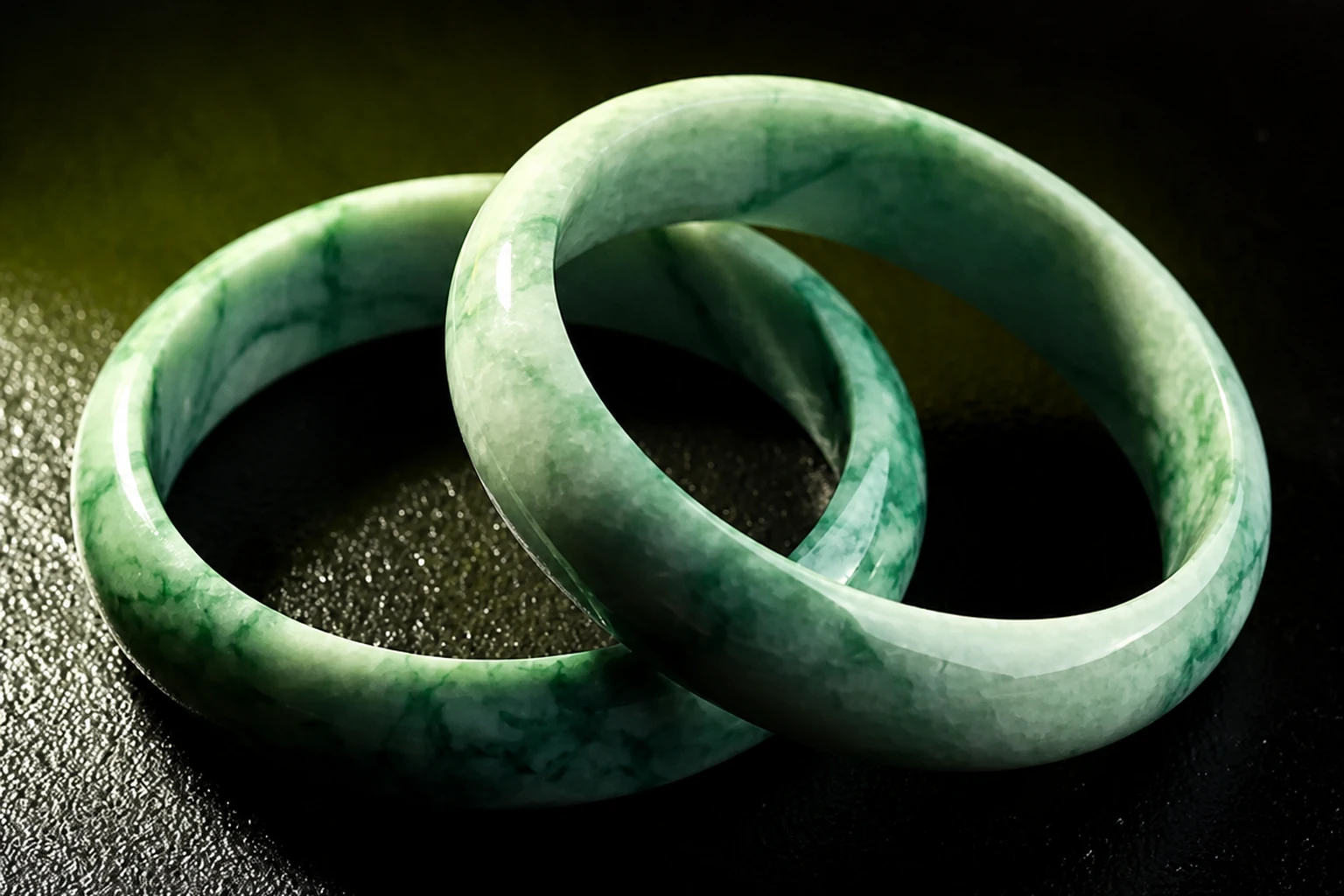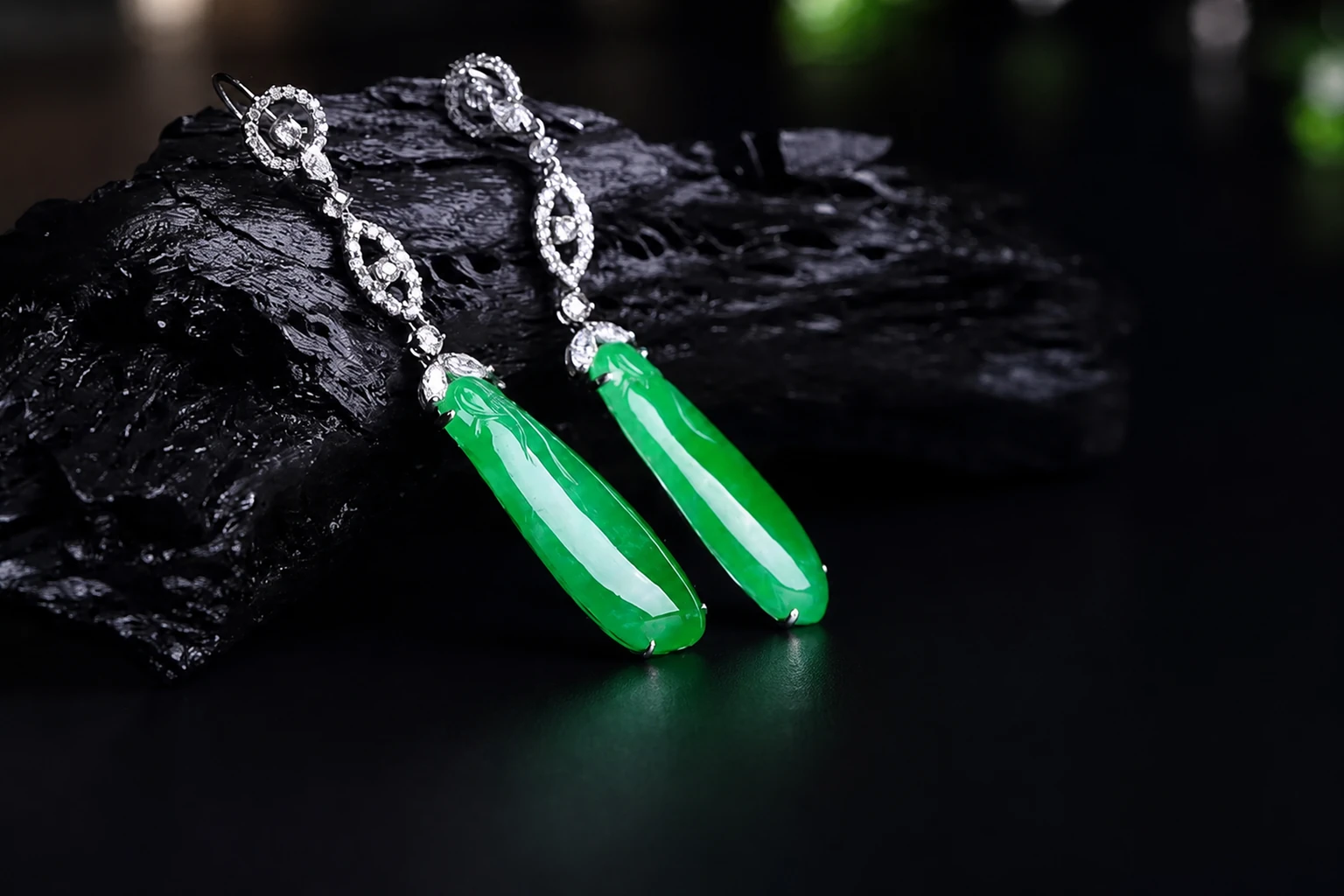
Many people are fond of jadeite, but its terminology and names can be confusing. For beginners especially, accurately distinguishing jadeite texture and translucency is no easy task.
Today, I will explain all the jadeite texture and translucency categories in one illustrated guide. Learn about jadeite and understand it without having to ask others.
When we talk about jadeite 'zhong' today, we generally think of classifications such as glassy and icy. In fact, in the traditional classification, 'zhong' was divided into only two types: old-mine and new-mine.
The familiar concept of 'glassy', meanwhile, was collectively described as 'di', or ground, as in glassy ground and icy ground. Later, as many people mixed up 'zhong' and 'di', terms such as glassy 'zhong' gradually became accepted and eventually entered mainstream usage. Here is what each term means.
01
I. Zhong
What 'zhong' means:
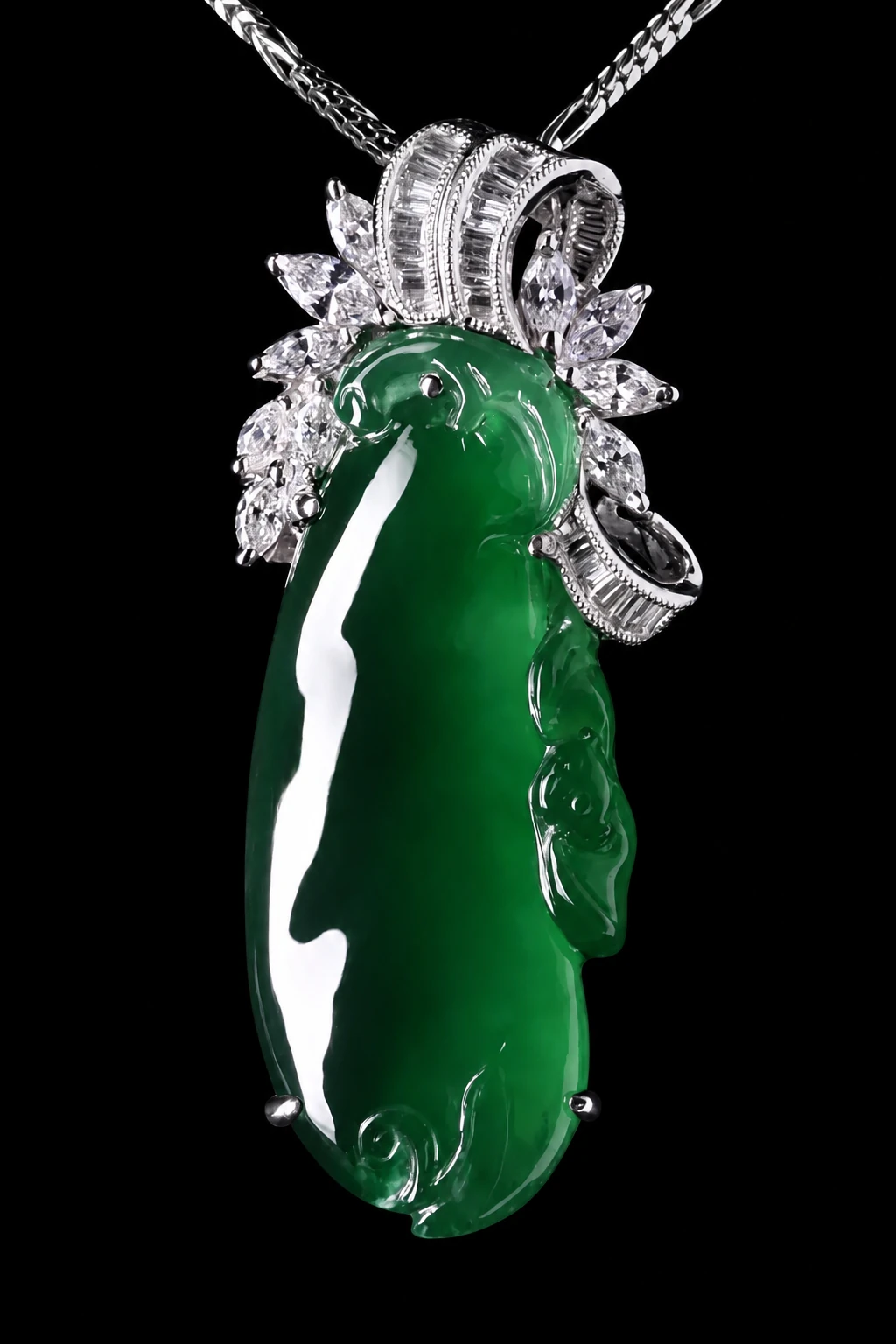
Old-mine and new-mine have nothing to do with the age of jadeite. 'Old' and 'new' do not refer to how old the jadeite is, but to its quality.
Old-mine jadeite has a tighter structure and finer internal grains, while new-mine jadeite has a relatively looser structure and is more prone to changes. Generally speaking, old-mine jadeite is of better quality than new-mine jadeite.
02
Common misconceptions:
Old-mine must be glassy or icy
Old-mine material does indeed have a higher chance of producing glassy and icy jadeite, and a considerable proportion of the glassy jadeite on the market is old-mine. However, some old-mine jadeite has fairly ordinary texture and translucency. A piece being old-mine does not mean it must be glassy or icy.
Old-mine must be more expensive than new-mine
This is still related to the first misconception. Although old-mine jadeite is better than new-mine jadeite on average, one cannot therefore conclude arbitrarily that old-mine must be more expensive. Simply put, being old-mine is a plus, but it is not the only factor that determines jadeite's value.
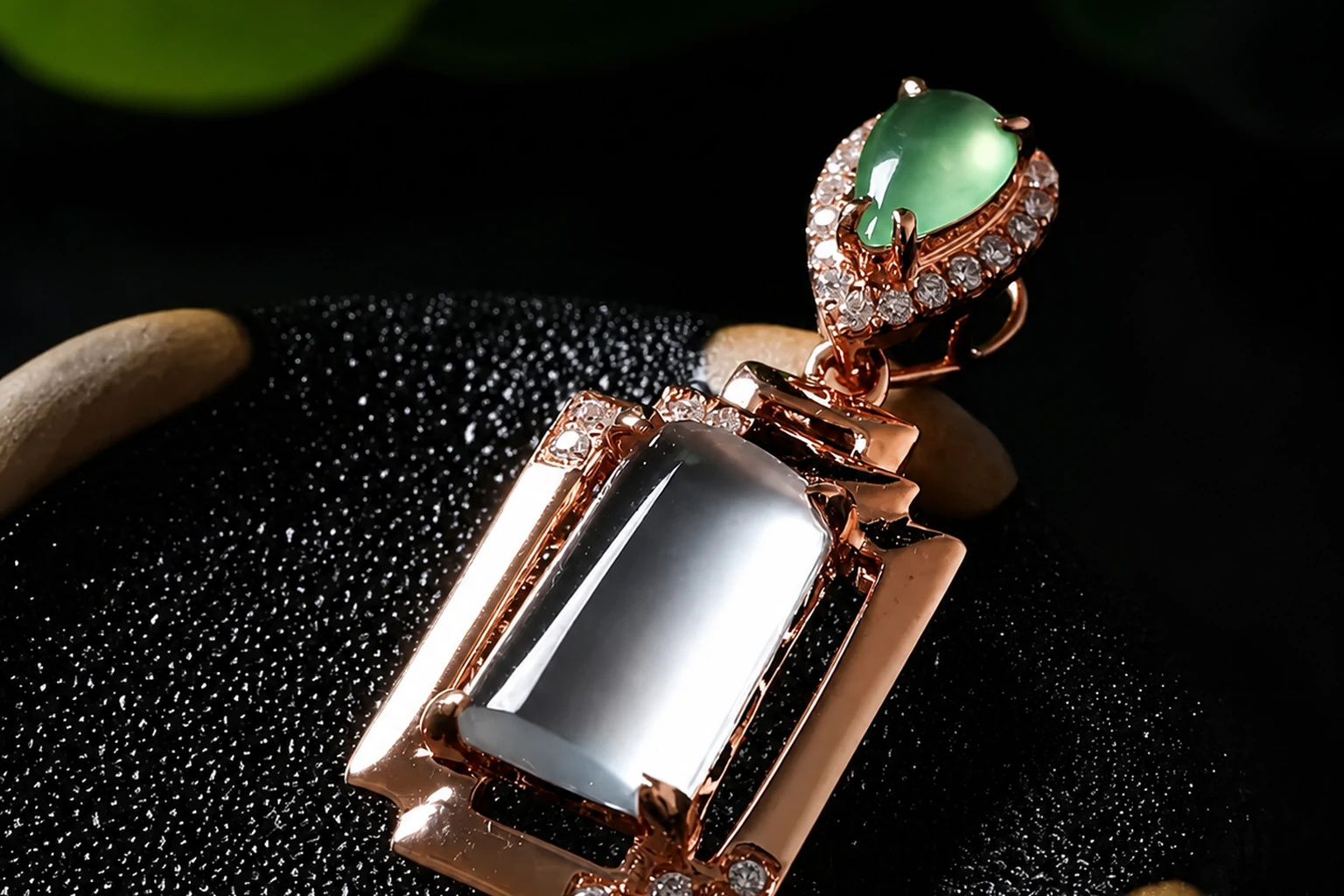
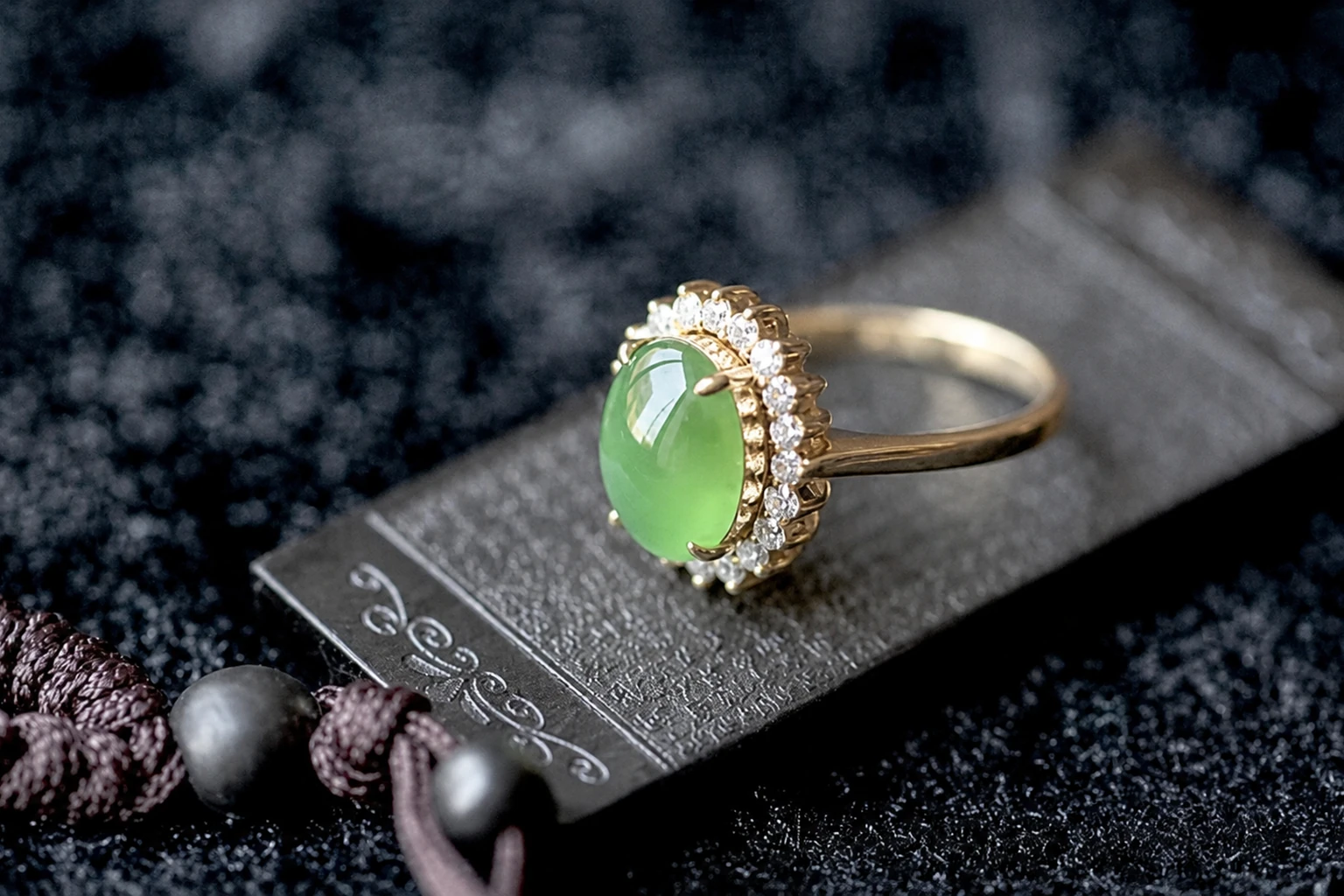
03
II. Di: Glassy jadeite
Also commonly called texture and ground, this is a system in which people classify jadeite according to its appearance and internal structure. Differences in texture and ground directly affect jadeite's value.
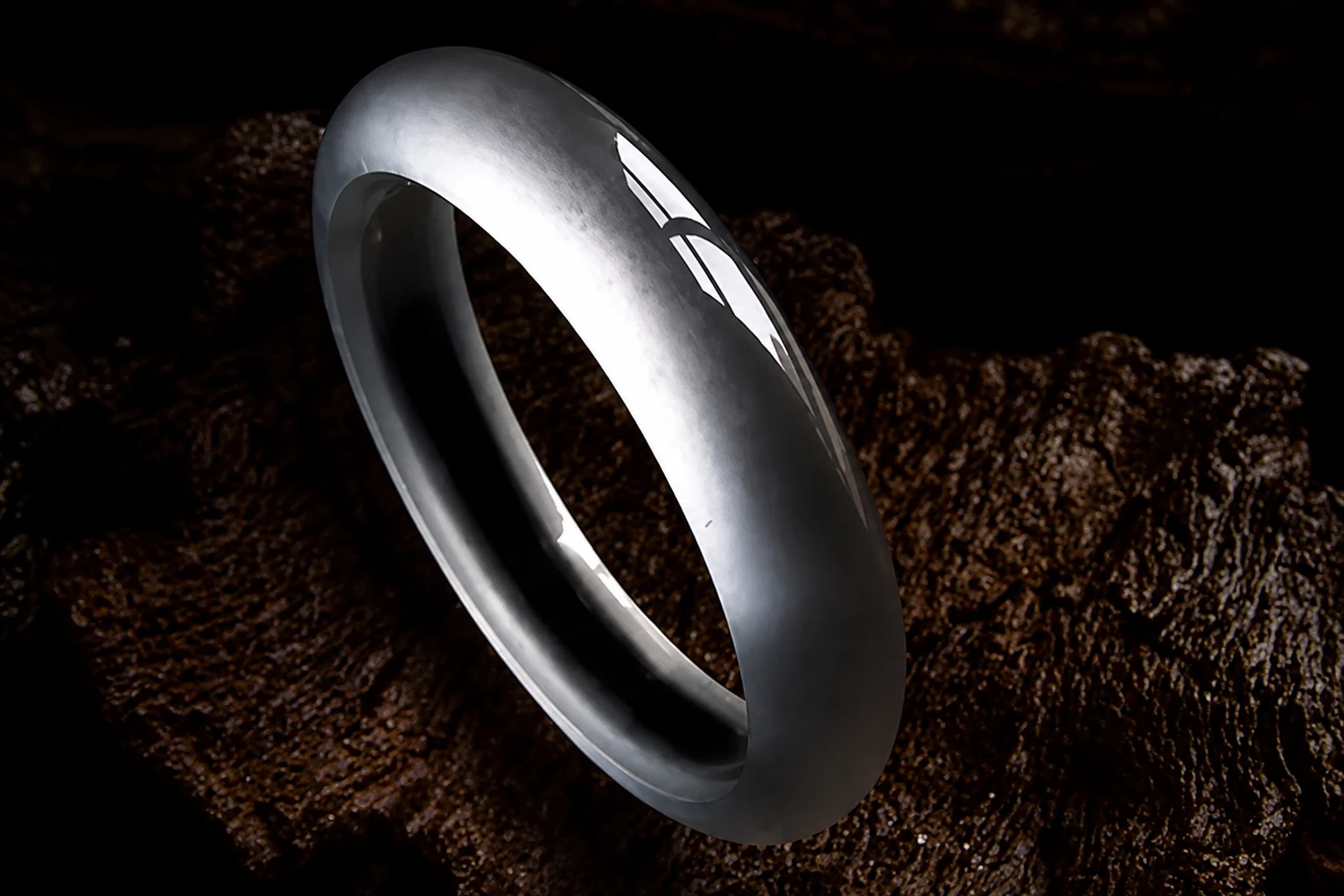
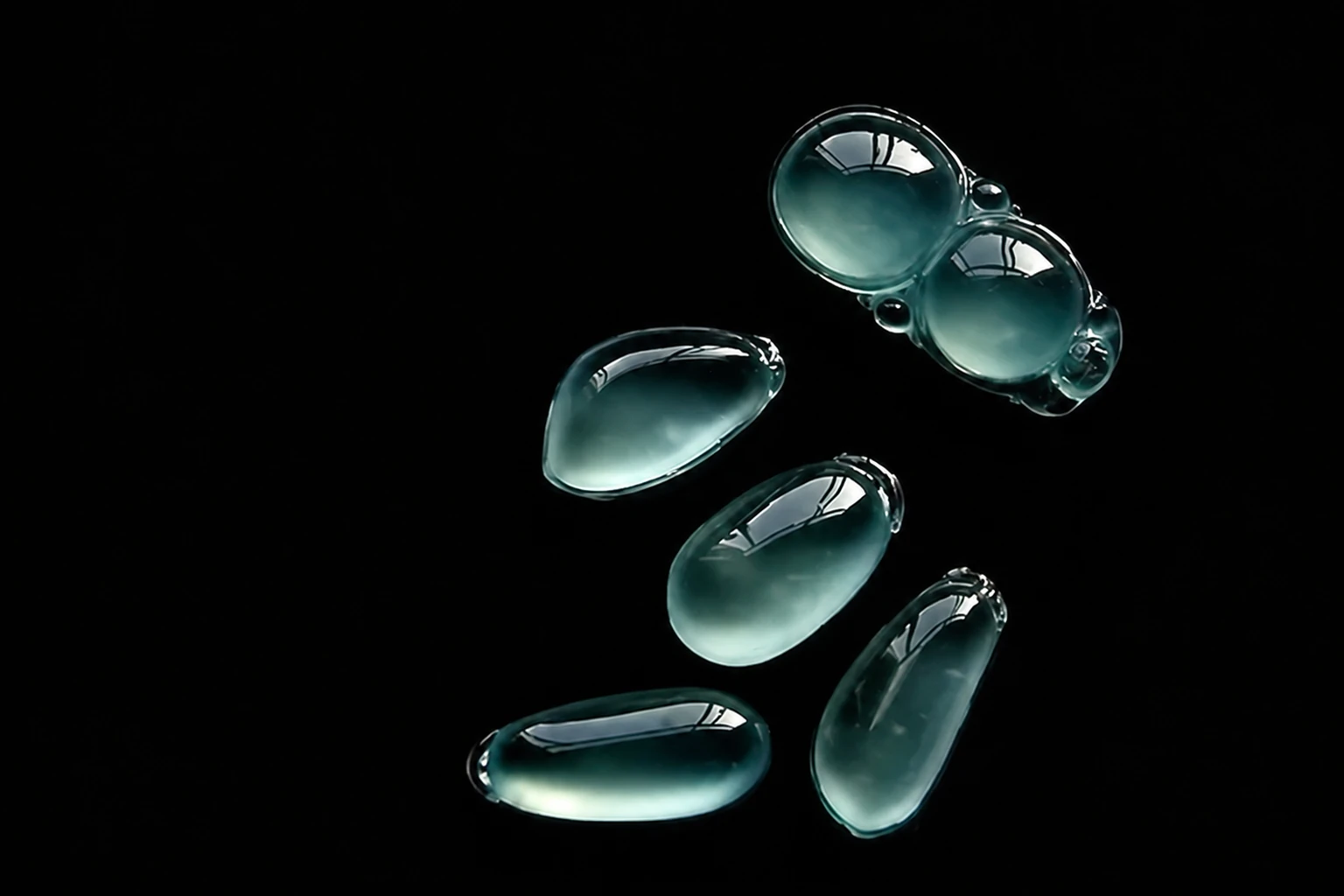
Glassy jadeite
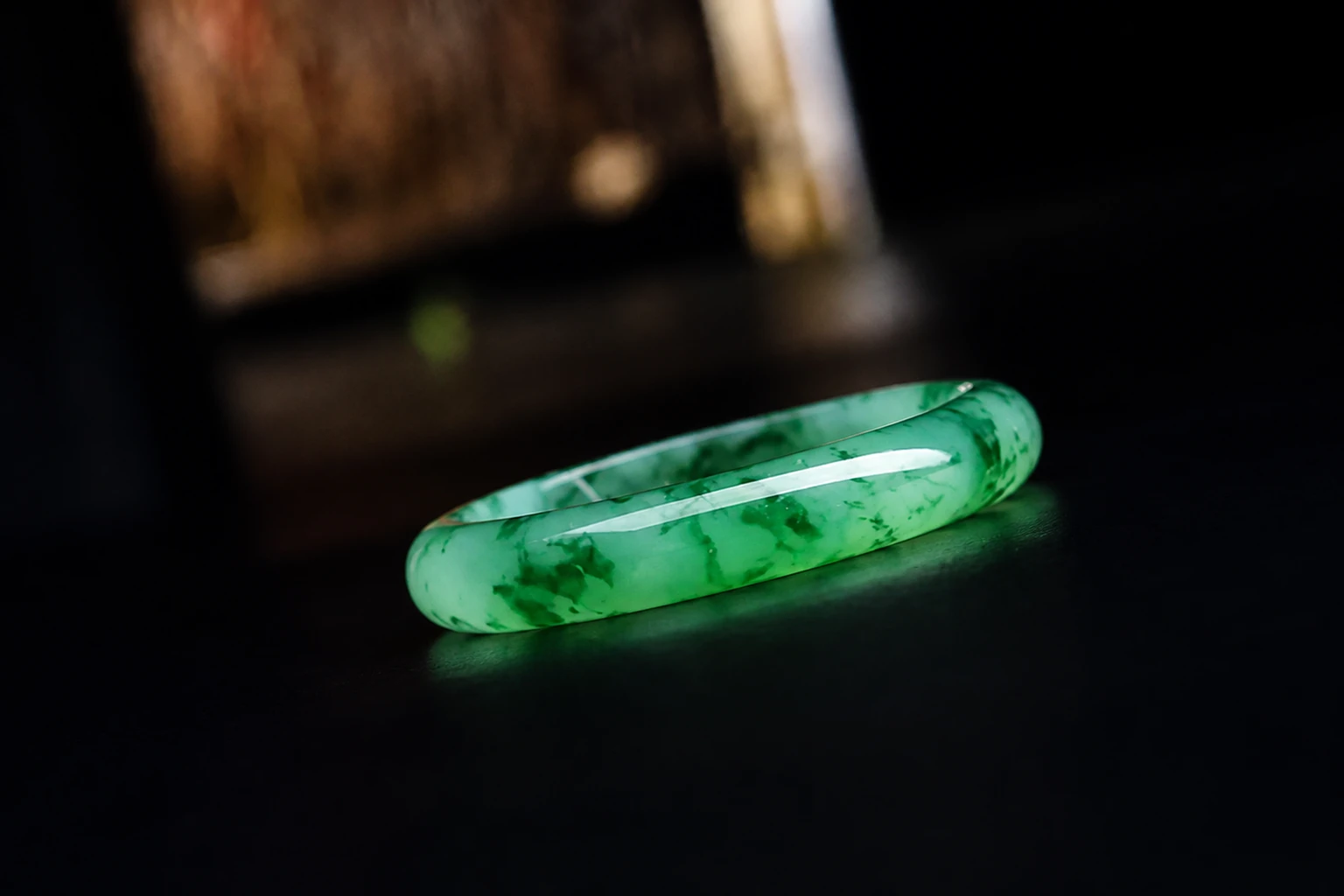
This is the jadeite category with the highest transparency and finest internal structure. Its appearance resembles transparent glass. Glassy jadeite generally also has excellent water, and good glassy jadeite may show fluorescence on the surface. It is currently the highest-grade jadeite texture and ground category on the market.
04
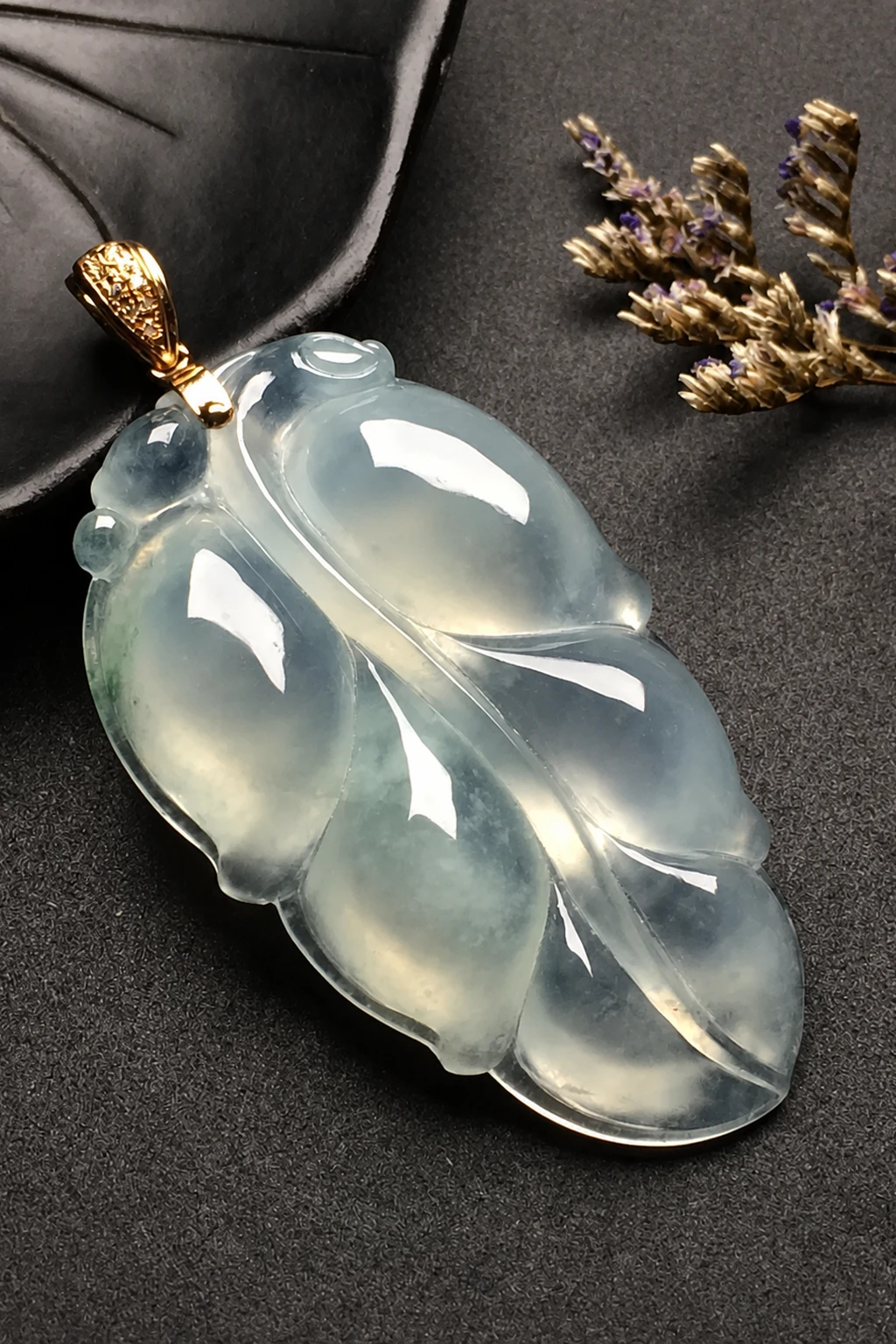
Icy jadeite
Its transparency is slightly lower than glassy jadeite. Although the texture is also very transparent, it contains more impurities than glassy jadeite. Icy jadeite with fewer impurities and very high transparency is also called high-icy and comes very close to the texture of glassy jadeite.
Its appearance is very similar to an ice cube from a refrigerator. This translucent jadeite gives a pure, ice-clear impression and is also a high-grade jadeite category on the market.
05
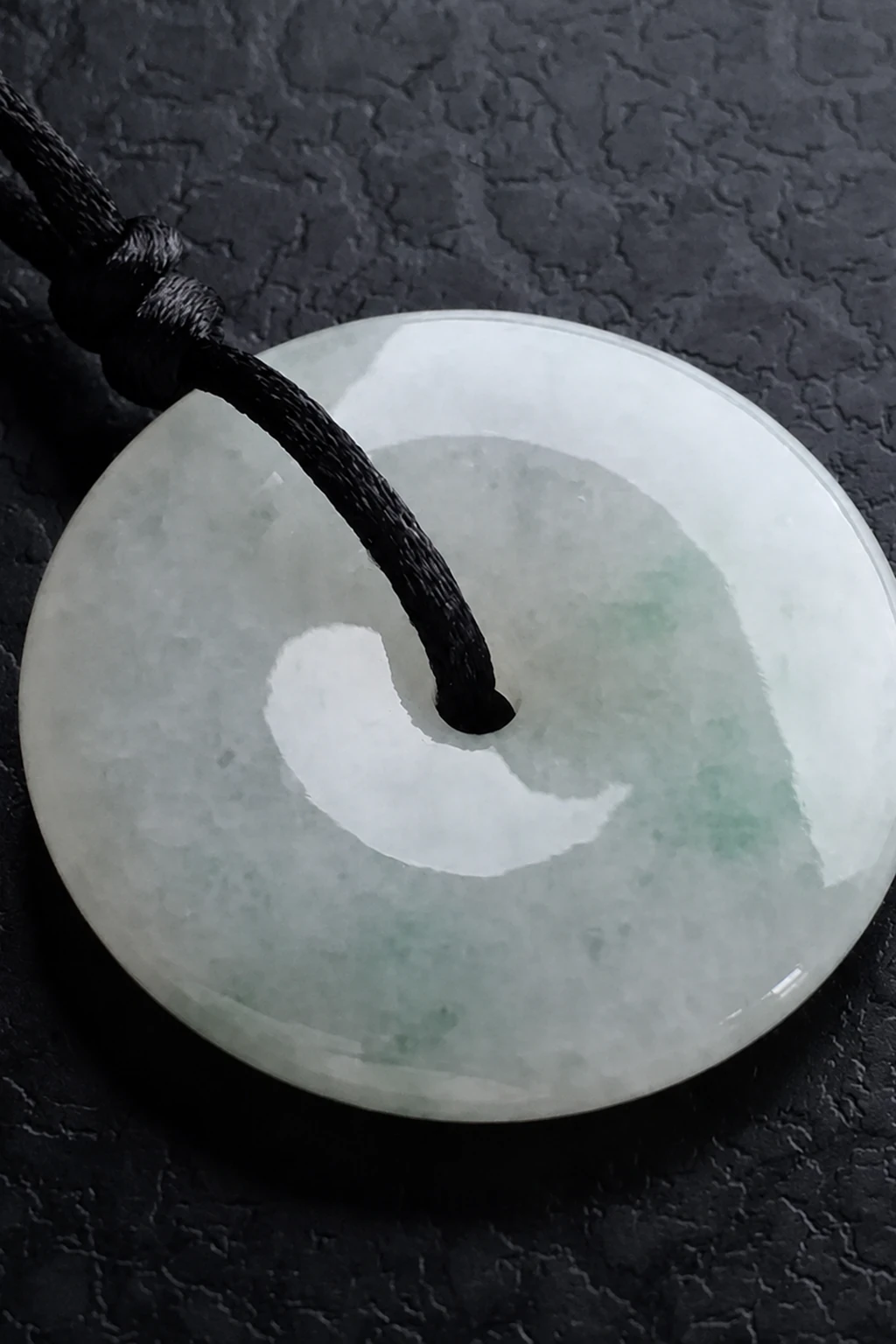
Glutinous jadeite
The texture of glutinous jadeite feels much like thick rice soup. Just as its name suggests, it is very fine, soft and smooth. Its transparency is noticeably lower than icy jadeite, with more impurities and greater cloudiness. The grains inside the jadeite can be seen with the naked eye. It lies between transparent and opaque jadeite and is a mid-range category.
06
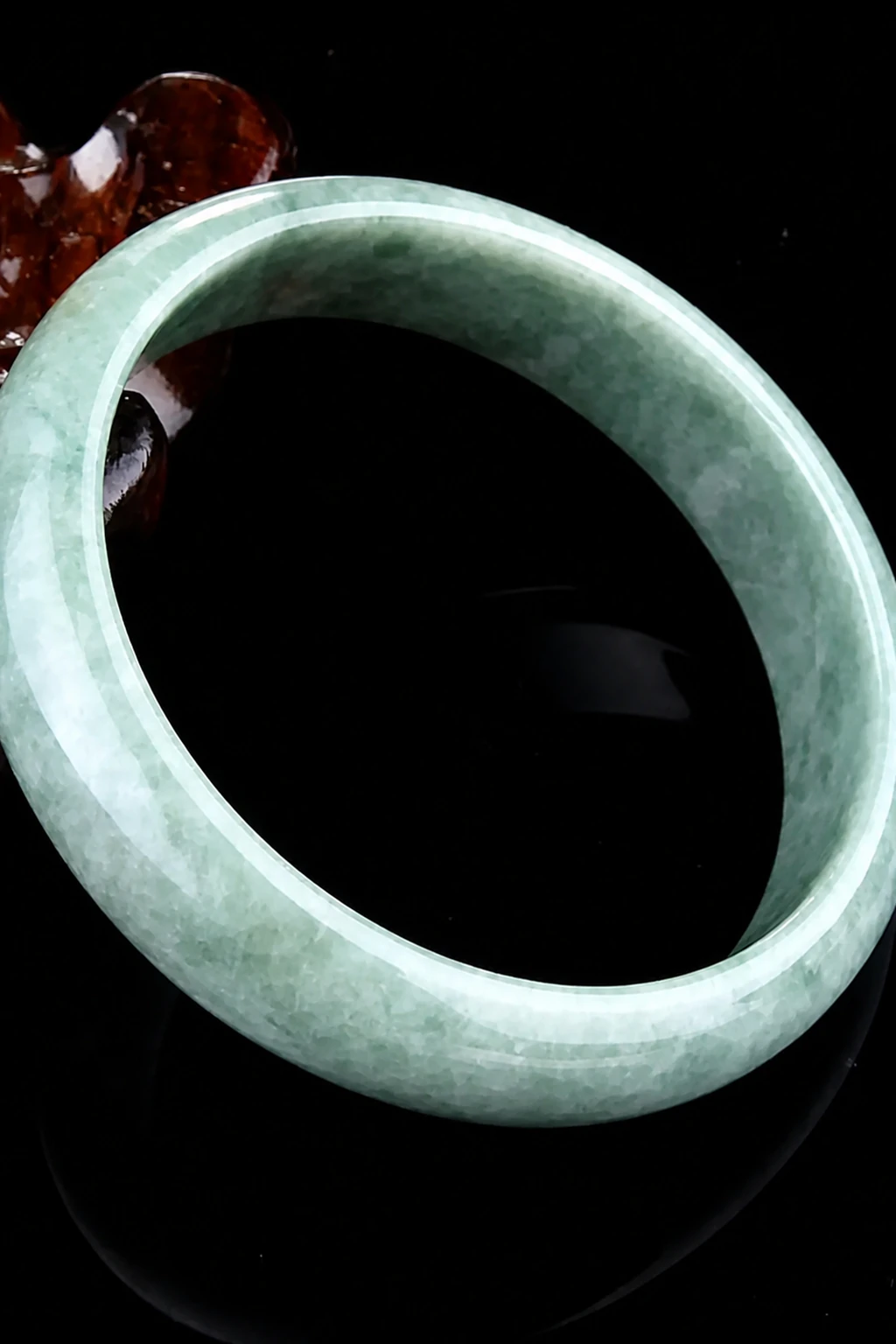
Bean-like jadeite
Bean-like jadeite is the largest jadeite category by quantity. As the saying goes, 'nine out of ten varieties are bean-like', showing just how broad this category is.
Bean-like jadeite has a very coarse crystal structure, and its crystals can be seen with the naked eye. It has almost no transparency, and its lustre is also relatively poor. Bean-like jadeite with better water is called icy bean. Bean-like jadeite is a relatively low-grade, ordinary category.
07
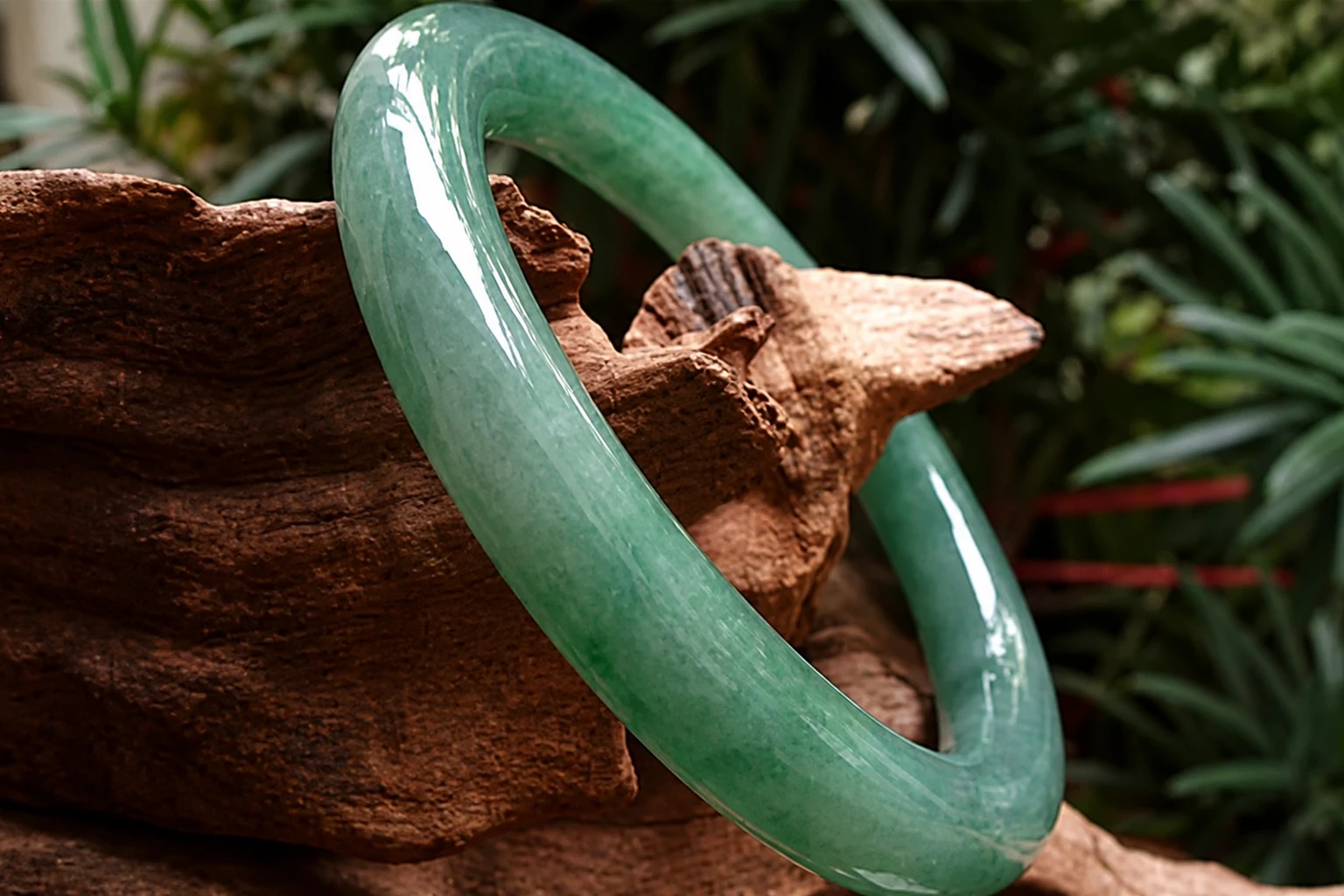
Oily green jadeite
Oily green is a dark green jadeite. Its green is mixed with grey and blue, and its surface has a slightly oily lustre, hence the name oily green.
Although the colour is dark, oily green jadeite is usually quite fine and translucent. Some oily green jadeite can even approach glassy and icy jadeite in transparency.
Because of its colour, oily green jadeite is not expensive on the market despite its good texture, and it belongs to the mid-to-low range.
My note: Three types within oily green are especially popular in the market: blue-water, green-water and clear-water, which many people like. Some merchants classify them separately, but they are essentially still oily green, only brighter in colour, and their texture and ground are generally high-icy or above.
08
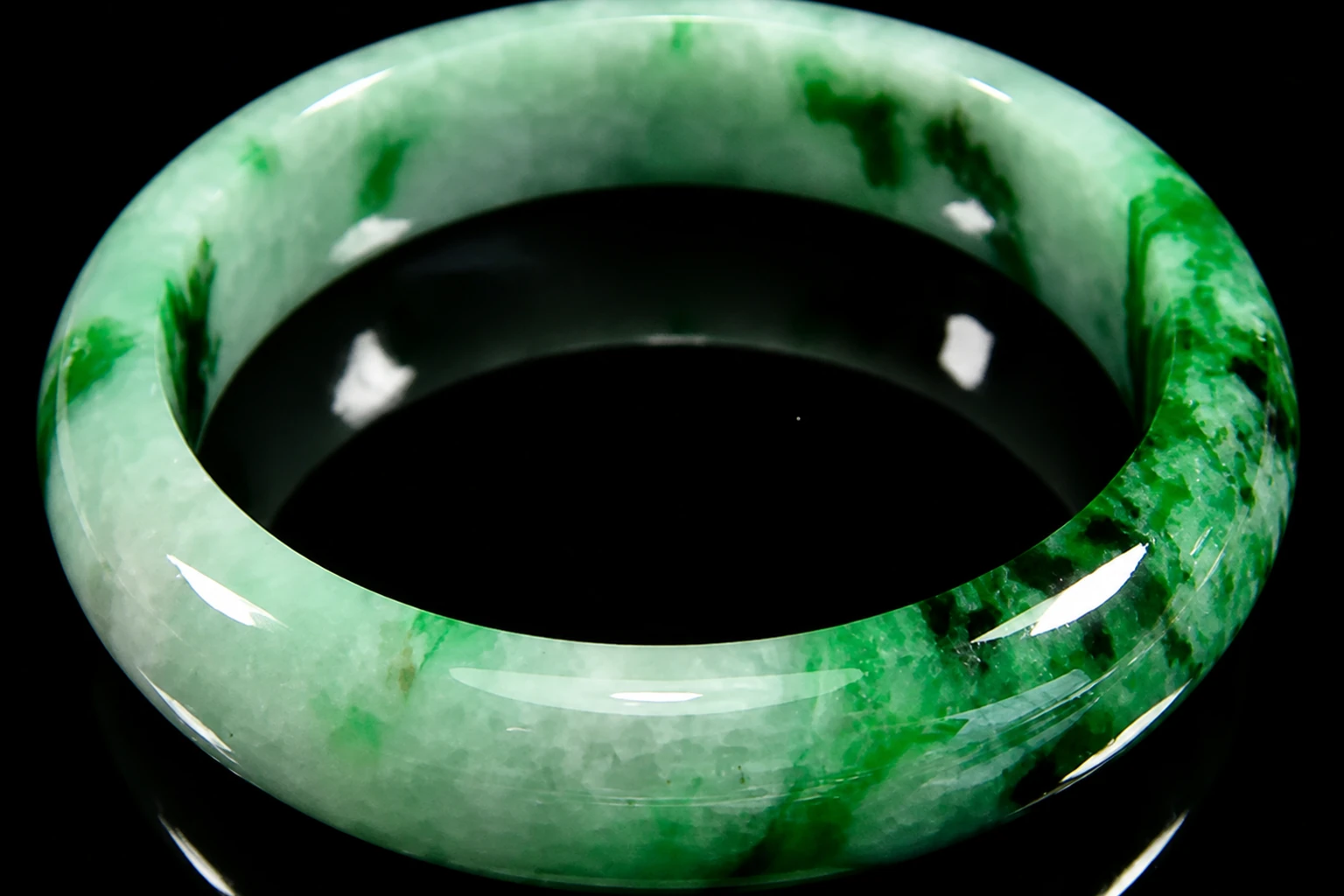
Flower-green jadeite
As its name suggests, this type of jadeite looks rather 'colourful'. Flower-green jadeite has a relatively coarse structure and poor transparency. Its base colour is pale green, pale grey or bean green. The green is distributed irregularly, varies in depth, has no transition and forms irregular shapes. It belongs to the mid-to-low range.
09
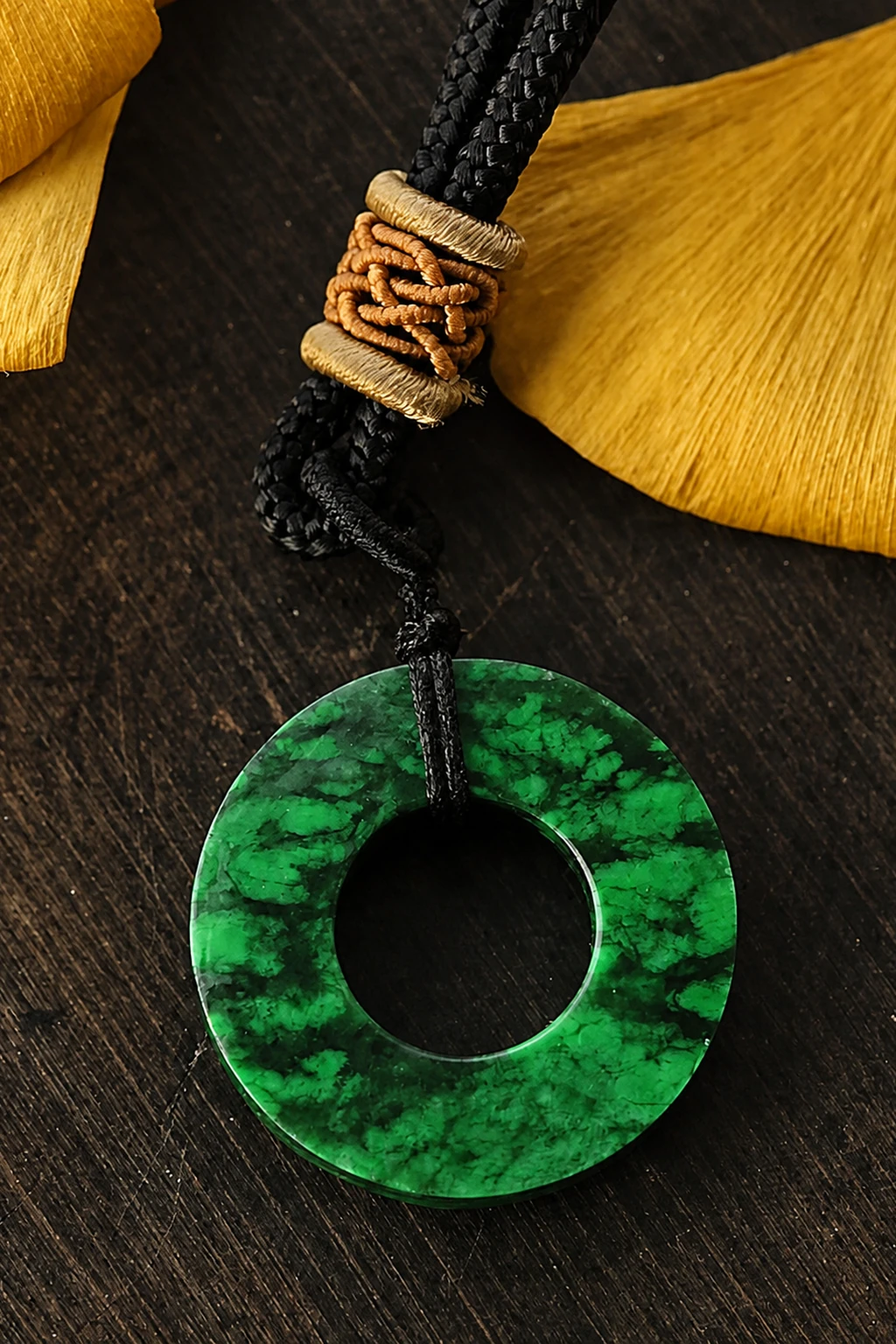
Dry green jadeite
Dry green jadeite is generally a vivid green, but its colour is unevenly distributed and often contains many black spots. Its ground is very coarse and dry, with almost no transparency. It belongs to the mid-to-low range.
10
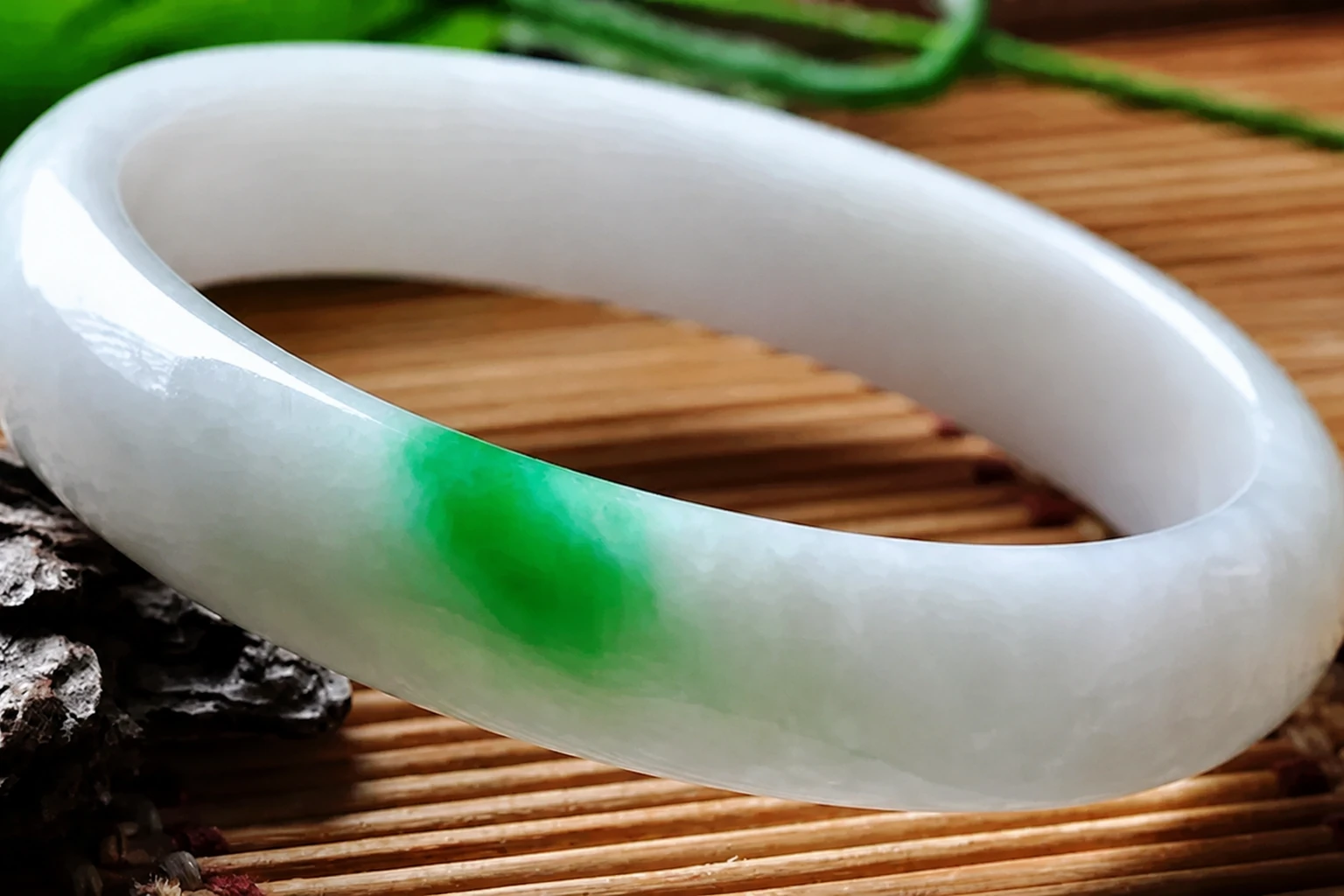
White-ground green jadeite
As the name readily suggests, this jadeite has a whitish ground with clusters of vivid green distributed across it. The contrast makes the green and white stand apart clearly, and the overall appearance is very refreshing.
11
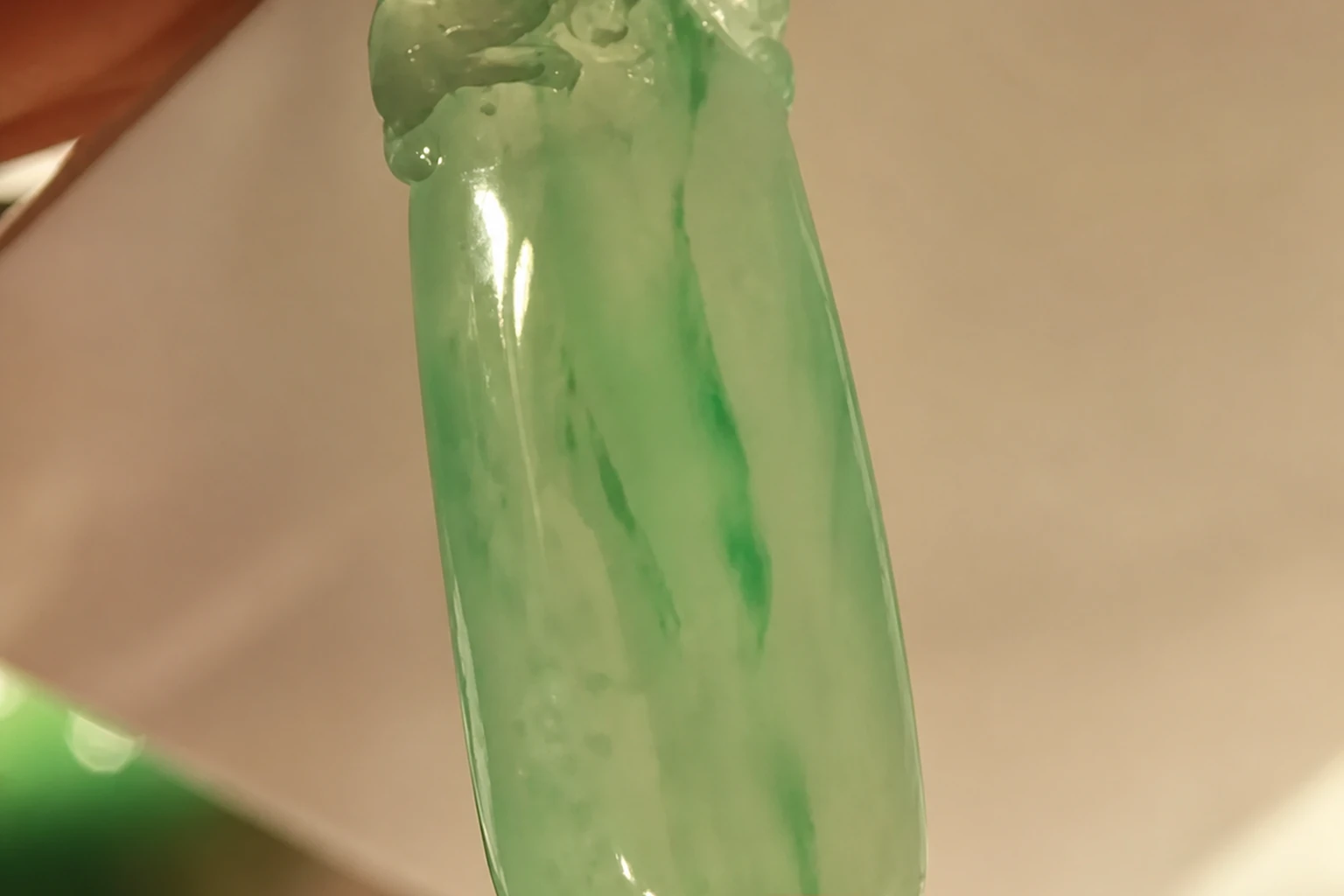
Golden-silk jadeite
The 'silk' in golden-silk jadeite is a special pattern in which the emerald green is distributed as threads. These threads run parallel to one another, and the emerald green can be clearly seen appearing intermittently in a particular direction.
The 'silk' in golden-silk jadeite can be thick or fine. Its texture is delicate and its transparency relatively high. The value of golden-silk jadeite is determined by its texture and ground, together with the colour and proportion of the green silk. Glassy golden-silk is considered the best.
12
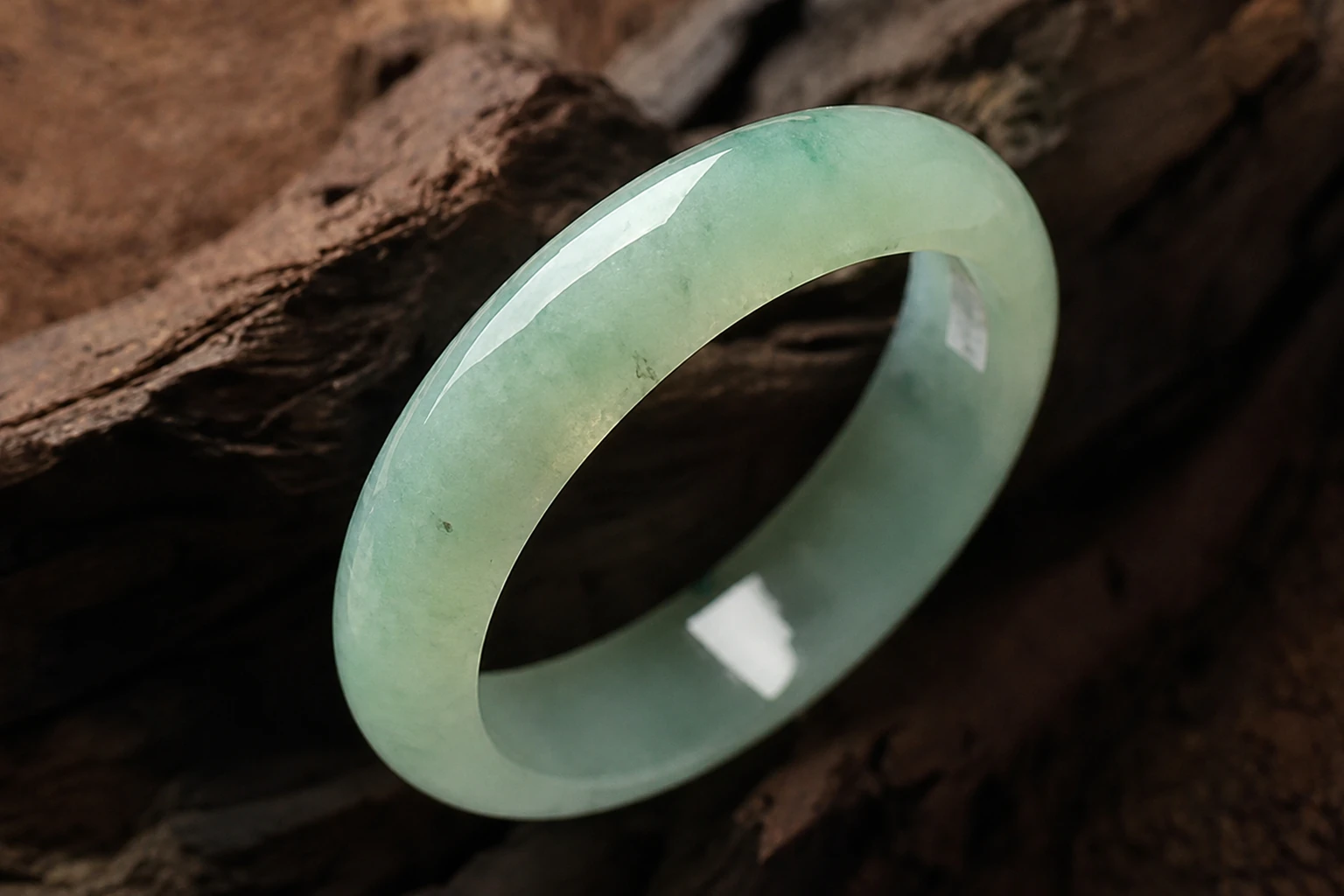
Hibiscus jadeite
Like a hibiscus in bloom, hibiscus jadeite has a pale green colour that is pure and gentle. Its colour is even overall, its texture fine and warm, and its transparency relatively high. It belongs to the mid-to-high-end range.
13
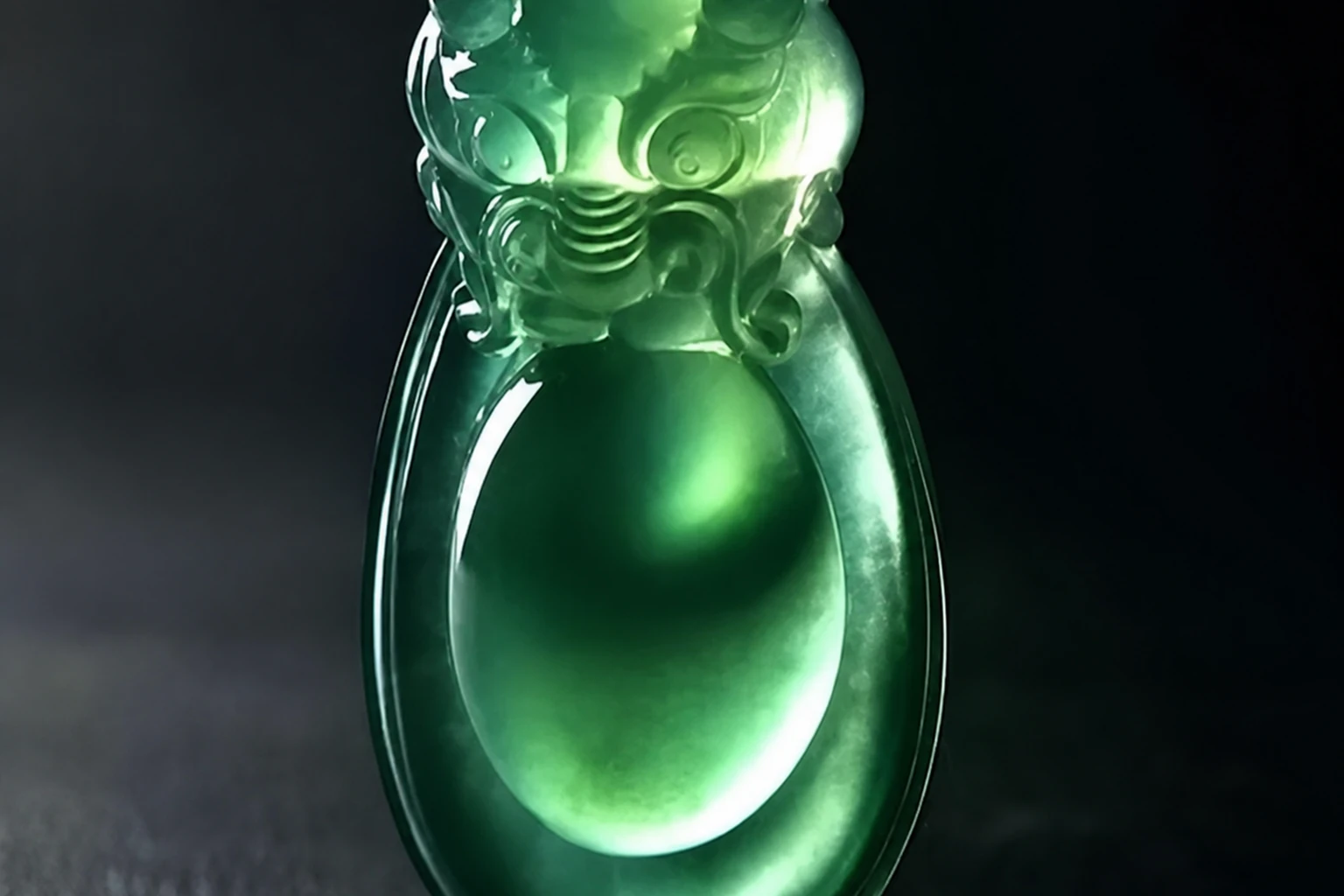
Dragon-stone jadeite
This is a legendary top-grade jadeite category, also called divine-dragon jadeite. It has a vivid, pure emerald green, even colour distribution, strong fluorescence and very little cotton. It is a high-quality jadeite, though it is said to have been exhausted as early as the 1970s.
14
Horse-tooth jadeite
Horse-tooth jadeite has a relatively fine texture but is not transparent, looking somewhat like porcelain. It is mostly green and may look good at first glance, but it has colour without texture and contains fine white streaks distributed through the green. It belongs to the mid-range.